Online safety is a practice to make your devices safe from external threats, and it matters today the most due to the constantly growing threat agents.
5 Social Media Security Tips: Analysis, Importance, and Best Practices
May 4, 2026
The internet is full of malicious activities nowadays, and being a smart netizen, you definitely need to practice and implement some expert social media security tips that can save you from countless ransomware attacks.
GetAnswerss has compiled a perfect list that covers a complete blueprint to follow these measures.
Quick Answer:
The top 5 social media security tips are choosing strong passwords, deploying two-factor authentication, stay sdstant with a stranger, restricting data visibility, and staying far away from spammy links
Top 5 Social Media Security Tips to Enhance Online Integrity
Well, to secure your system’s integrity and prevent data leaks, there are many ways, but most of them require time and a lot of energy. That’s why, through these 5 social media security tips, you will easily learn how to secure your social media accounts.
1. Set Complex Passcodes
Setting complex passwords for all your credentials and accounts to ensure personalized security on all devices. This will allow you to create a stronger outer layer of authentication that cannot be accessed by any unknown person or entity.
Best Practices Include:
- Setting passwords filled with words and numerous, rather than basic, crackable patterns.
- Make sure that your passcodes are not related to your birthdate or any matching credentials.
2. Enable Two-Factor Authentication
When you enable two-factor authentication, the chances of your passwords getting hacked become significantly lower. It is because your personal details have now been equipped with a double layer of protection consisting of your passcodes and biometric authentication.
Best Practices Include:
- Using tools like Microsoft Authenticator that demand the system’s passcode before the final login step.
- Start using verification procedures like OTP through contact numbers or emails to get protection from backstabbing.
3. Take Stranger Precaution
Never trusting a stranger in terms of password sharing should be your primary goal while surfing anywhere on the internet, that’s because you don’t know who is actually there on the other side of the screen. They can be easily avoided if you just follow some basic, attentive rules.
Best Practices Include:
- Don’t trust anyone if they pretend to be your acquaintance; always make sure to check their identities multiple times.
- Never share OTPs with anyone on the call, no matter how much he/she tries to convince you that they are calling from a trusted institution.
The best advice is that you must be aware of the situation and act according to your gut feeling.
4. Limit Data Visibility
Limiting data visibility is hands down one of the easiest yet effective things users can do to protect their entire digital identity. Minimizing your appearance can make you less attractive in the eyes of hackers.
Best Practices Include:
- Stay less approachable on your social media by not adding major details to your account’s bio.
- Don’t overshare everything about your life to random strangers or IDs that you think are impersonating someone.
5. Stay Away From Malicious Links
There are so many endorsement links that might seem attractive to you, as they show unrealistic offers on your favorite products or fake emergency signals to make you panic. Ignoring or not instantly getting attracted to these ads is the best possible way to not become a victim of digital phishing scams.
Best Practices Include:
- Don’t pay attention to these messages until they come from an authorized source or a known contact.
- These links are advertised by malicious hackers or fraudulent IDs to steal your personal credentials, so taking a background check is a must.
Why Online Account Safety Matters?
Online account safety matters for every one of us who spends most of their time working in the online ecosystem, as you have to work on various websites and applications. Using social media security tips and taking safety protocols can help you stay protected from:
- Losses of financial credentials and data assets.
- Identity theft vulnerabilities.
- Planned cyberattacks by malicious organizations.
- Child abuse and unwanted content attraction.
- Severe hardware damage through an unwanted software installation.
Conclusion
At this point, social media platforms and online sites are full of malicious practices, but we cannot stop using them as they have become an integral part of our personal and professional lives.
Although we have mentioned social media security tips, like limiting data visibility and two-factor authentication, as a user, you have to make sure that they are being properly implemented in your day-to-day life. They will significantly minimize the risks of you getting hit by cyberattacks. We hope that you always stay safe and never become a victim of any malicious crime.
FAQs
What is online safety, and why does it matter?
What are the advantages of online safety?
There are multiple advantages of online safety, which are mainly for financial and identity purposes.
How do I protect my bank account online?
The best advice from us would be to enable two-factor authentication.
Sources:
Personal Safety & Security Social Media and Privacy Settings by Government Services and Facilities Sector
Latest Post
How to Create Secure PDF Links Without Leaks
Savan Sanghvi July 29, 2026
What is Computer Vision and How it Works?
Leah Schwiesow June 27, 2026
Related Post
How to Create Secure PDF Links Without Leaks
by Savan Sanghvi July 29, 2026
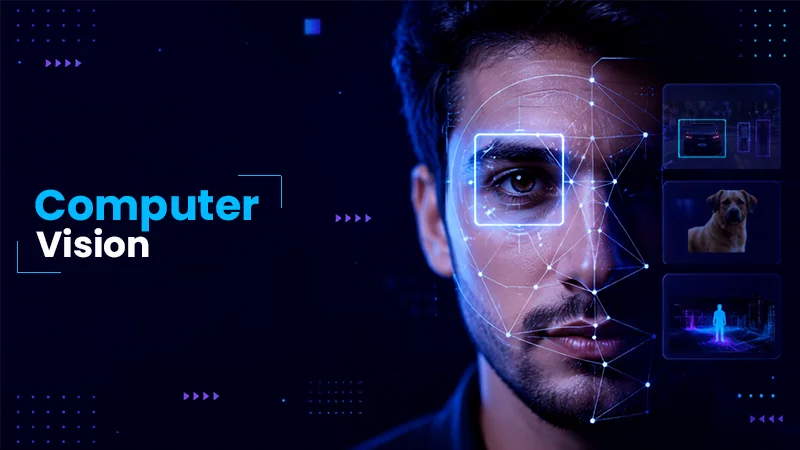
What is Computer Vision and How it Works?
by Leah Schwiesow June 27, 2026