AI is unlikely to, as developers play a significant role in monitoring every aspect of the building program and fixing recurring errors. AI can make the job easier through rapid efficiency and automated support in completing assigned tasks.
What is Mobile App Development and How Does it Work?
June 23, 2026

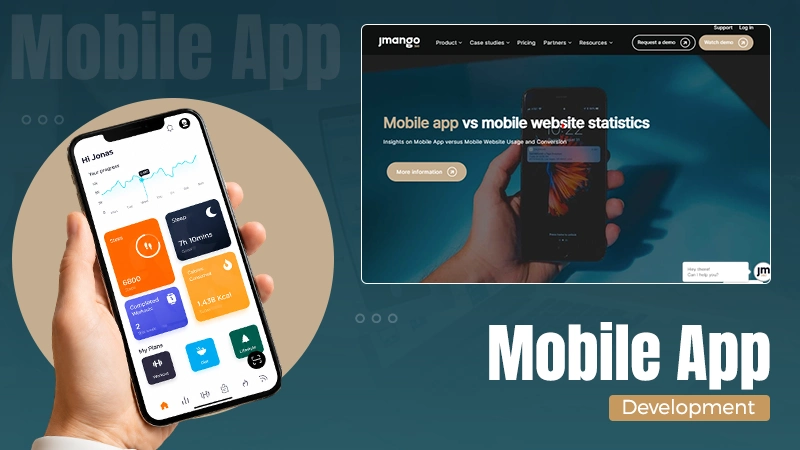
The website market is going a bit downhill because people have stopped using search engines for doing all their basic things and switched to apps for multitasking abilities. This led to an effective boost in the mobile app development as JMango360stated that mobile apps boast a conversion rate that is 3x higher than mobile websites, often pushing 1.5 times more conversions per session than even desktop.
But why is it so popular and actually works for the people? Well, this blog post by GetAnswerss will provide detailed answers to these questions along with the procedure for making apps.
What is Mobile App Development?
Mobile app development is a structured process to create software programs especially for phones and tablets to provide immersive experiences to the users using various utilities like GPS, touch responses, haptics, and bringing accessibility to improve multitasking.
Most DevOps build mobile applications using various coding languages that support different operating systems, like Swift, which is best for iOS, and Kotlin/Java for Android devices.
This process is multistructural as it involves multiple stages that developers have to uncover, like planning, designing, user adaptability, code integration, maintenance, update and etc to stabilise the centralised programs.
Read more: Robotic Process Automation: How RPA Works, Tools and Benefits
What Are The Different Types Of Mobile Apps?

Mobile apps are not limited to just a single genre; they are built to complete multiple projects or cater to different experiences as per the needs of the audience and latest trends. Factors like content consumption, GPS tracking, online delivery, etc., led to the creation of different types of mobile apps in the market, like:
1. Native Apps
Native applications are the type of software programs that are built only for a specific operating system, like Android, iOS, Windows, etc, to get published on their official stores, like the Play Store and App Store, to maintain system stability and adaptability. They are built on the favourable coding landscape, like Java for Android and Swift for iOS. Some examples of the native apps are WhatsApp, Telegram, Google Maps, iMessage, and Apple Music.
2. Web Apps
Web apps are mostly built to cater to a mobile audience with similar experiences to online software in a packet-friendly manner and a low-intensity framework to optimise productivity and accessibility. Programmed on streamlined languages like C#, C++, HTML, CSS, JavaScript, Java, Perlin, they are aimed to deliver stable performance and core features of their web-based versions. Prime examples of web apps include Netflix, Amazon, Canva, Alibaba, and all the applications that primarily operate from digital servers.
3. Hybrid Application
As the name suggests, hybrid applications carry the attributes of both native and web apps using a single database infrastructure. They carry the potency to manage a wide variety of options, and users can simultaneously work on their web-based platforms and applications to boost their operational efficiency. HTML5, CSS, and Flutter coding bases are mostly used to build them, and apps like Gmail, Instagram, X, Uber are some popular outcomes of this successful digital transformation in the mobile app genre.
Read more: What is Generative AI? Top Gen AI Tools and Uses Explained
The Mobile App Development Process Step-by-Step

The development of mobile applications is one of the most vital and complex areas of the IT domain due to the robust competition in the app markets and domination of global giants. But coders who are clever enough to find and solve basic human problems and reduce some of the problems that users face daily achieve limitless growth in the market.
Creating an app requires a strategic approach consisting of elements like:
1. Discovery and Planning
The foremost thing in designing a mobile app is to calibrate why and how the idea is going to be projected on the user’s mobile screen. Basically, developers do a lot of brainstorming in this phase and work on different ideas to finalise the blueprint, which carries all the required elements.
2. Analysis and Market Research
Market research is vital nowadays due to robust competition in the online domains, and many big players are constantly integrating new features every day to align with ever-growing trends. Choosing a sustainable and secure genre might bring slow growth in the beginning, but it carries potential to provide long-term benefits.
3. Development and Testing
Testing your application before releasing it to the public service is paramount for maintaining the stability and reliability for the users. Without this, the applications become prone to various threats or make the platforms unstable, making the user experience miserable.
4. Deployment and Maintenance
After the successful deployment of the applications, the next plan in action involves their routine maintenance and regular updates to fix recurring bugs, glitches or error-causing pitfalls in UI interfaces. Also, updating toggles, CTA and other utilities according to trends is also necessary for maintaining constant engagement.
Common Errors You Should Avoid During Mobile App Development
While doing all this development, there are chances coders might make some errors due to some unwanted circumstances which carry the potential to affect the overall output of applications and in worst cases, they can lead to complete software breakdowns. Developers should never create problems such as:
- Neglecting Market Research: Doing a weak or completely ignoring the part of market research and analysis can cause serious drawbacks in the integrity of the application and even on the brand’s reputation, which ultimately leads to major capital losses and bad publicity.
- Inappropriate Testing: Conducting online security and stability tests is very important in order to make your programs completely reliable to the audience, which is why not focusing on them can cause bug leaks and glitches. Also, these small loopholes in systems invite malicious entities to enter the database of the application, which can easily destroy or hijack the credentials of existing users.
- Complicated Navigation: Sometimes apps look very appealing at first view, but the moment users lock in, they seem confused as poor navigation causes wreckage in their entire experience of experiencing the ecosystem. This will affect the traffic retention and the longevity of the software.
- Budget Interventions: Clients and companies have a set budget to invest in mobile app development, which is why, when prices go off the charts, they think about withdrawing their decisions to find some vendors to get the work done at lower prices.
Conclusion
Despite all the challenges and complicated procedures, mobile app development is booming year by year and setting new benchmarks every day in terms of scalability, efficiency, and providing seamless user experiences. New technologies like AR, VR, AI, and others are integrating into smartphone ecosystems so that they can reach a wider audience while also educating users about new-gen upgrades.
Multipurpose mobile apps are in striking demand, which is why becoming a qualified developer in this field can open countless opportunities for skilled individuals and new-gen coding experts who are following an AI-powered approach to building digital infrastructures.
FAQs
Will AI replace mobile developers?
What are the top 3 most used apps?
The three most used apps according to recent statistics are Google, YouTube, and WhatsApp, as most people use them for content consumption, marketing, query resolution and communication.
What apps are in demand?
Apps that can fix things using AI tools and are accessible everywhere are in most demand as they help to fix queries instantly, and do some automated tasks like generating videos, answering calls etc.
Sources:
Latest Post
How to Create Secure PDF Links Without Leaks
Savan Sanghvi July 29, 2026
What is Computer Vision and How it Works?
Leah Schwiesow June 27, 2026
Related Post
How to Create Secure PDF Links Without Leaks
by Savan Sanghvi July 29, 2026

What is Computer Vision and How it Works?
by Leah Schwiesow June 27, 2026