An IP address is a unique and distinctive numeric code assigned to your device, such as your mobile, PC, and routers. This helps in identifying and tracking other devices on the network for smooth transfer of data.
What is IP Address? Meaning, Key Components, and Types
May 1, 2026
The IP address acts as a digital identity for devices that allows network servers to identify and locate them to enhance network security and support reliable server connectivity.
You can simply understand what is IP address as a distinctive numerical label assigned to your system, which allows it to communicate over the internet effectively and send or receive information.
Here’s everything you need to know about the backbone of online communication, along with its components, types, and the steps to locate your IP address.
Table of Contents:
What is IP Address and How IP Address Works?
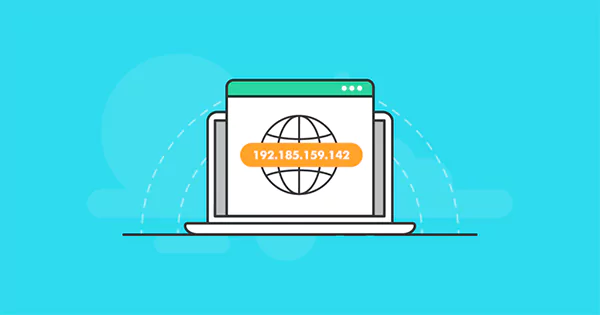
The Internet Protocol address, or IP address, refers to an exclusive and unique identifier number allocated to each device connected to the Internet or a particular network. For instance, your IP address example can be a 10-digit code, such as 66.459.25.138.
While evaluating what is IP address, it is crucial to analyze how IP address works, as they are an important element of ensuring you can use the internet while communicating with other devices.
However, it works by assigning a numerical public and private code to your device that acts as a reference point to route your internet traffic for the facilitation of information on the network server.
What are the Key Components of an IP Address?
As the server has to locate and recognize different devices on the network, an IP address helps them by using the network and host ID, along with subnet masks and octets. Learn more about these key components below:
- Network Identifier: Serves the purpose of identifying the network section to ensure optimal transfer of data.
- Host Identifier: Works towards recognizing the concerned device on that specific network segment.
- Subnet Mask: These are 32-bit numbers that help in differentiating between the host ID and network ID.
- Octets or 8-bit groups for IPv4: Octets are used by the IPv4 protocol to divide the IP address into four different 8-bit numbers.
What are the Primary IP Address Types and Why are They Used?
Public, private, static, and dynamic IP addresses are the 4 primary categories that are used to distinguish devices on a network, configure communication channels, and streamline internet traffic. Check out further information about these types below:
- Public IP Address: This refers to the external IP address that your Internet Service Provider (ISP) assigns to your router. Websites, gaming servers, and other online services locate your device through this IP number.
- Private IP Address: It is your device’s primary identifier, which is allocated by the router or office intranet. This works by mapping your local IP number to the public server, so your router can channel traffic to the correct location.
- Static IP Address: The public or private IP address types needs to be fixed or dynamic. However, a static address works as a fixed numerical label assigned permanently to the device, as it is mainly used for broader servers.
- Dynamic IP Address: As a dynamic address changes with time, it is often assigned to devices, and it works when your router assigns a temporary numerical code from the options available from the Dynamic Host Configuration Protocol (DHCP).
How Can You Find Your IP Address?
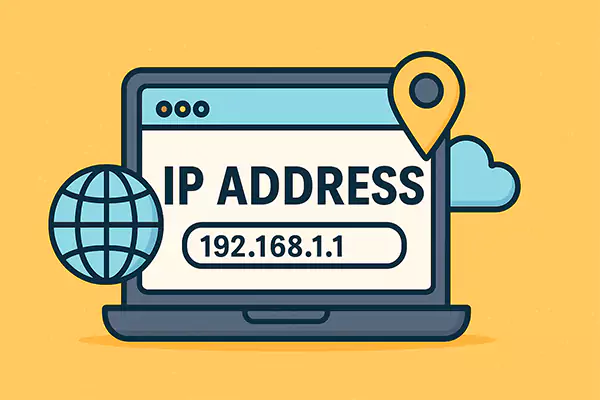
From using the ipconfig command line utility tool on Windows to using Apple Menu on Mac or utilizing Google Search, here are some common ways that you can use to identify your device’s IP address.
Method 1: Locate Your IP Address on Windows
You can use the ipconfig command utility for gathering information about your device’s IPv4 and IPv6 addresses on Windows.
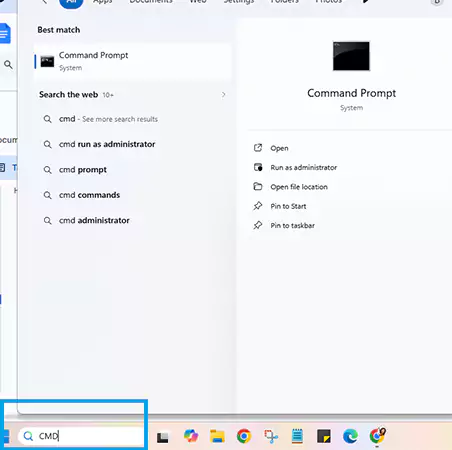
Step 1: Type “cmd” in the search bar.
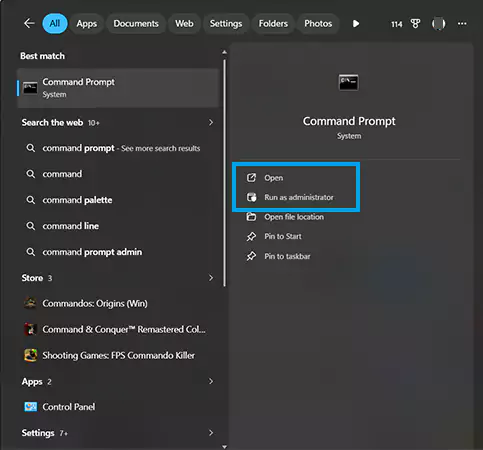
Step 2: Click on Run as Administrator.
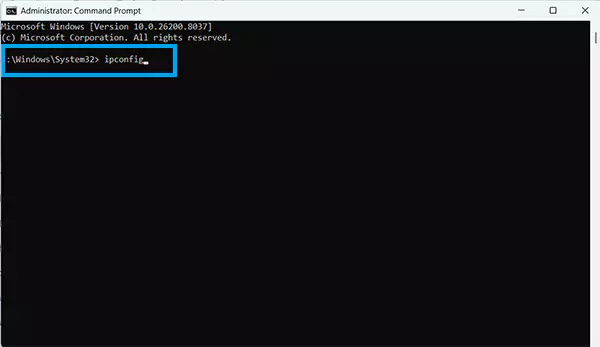
Step 3. Type “ipconfig,” and it will showcase IPv6, IPv4, temporary, and link-local addresses, along with subnet mask and default gateway.
Method 2: Locate Your IP Address on a Mac
Simply follow the steps mentioned below to find your IP address on macOS.
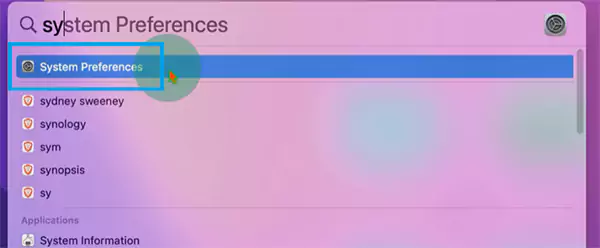
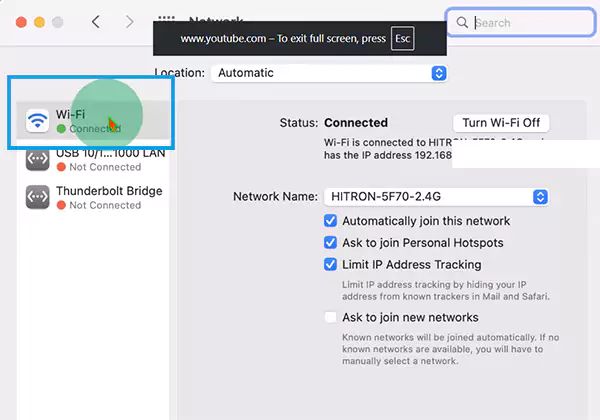
Step 1: Click on Apple Menu and search for System Preferences.
Step 2: Go to Wifi and then click on Details to uncover details about your digital address.
Method 3: Locate Your IP Address using Google Search
While you can just easily search your public address on Google by searching what my IP address is, you can also find your private IP with the use of third-party applications.
For Public IP Address:
Using Google Search is the most straightforward way of identifying the IP number. Here’s how you can do it efficiently.
Step 1: Open Google Search and type “what is my IP address”.
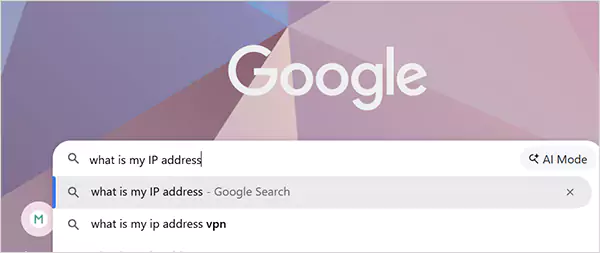
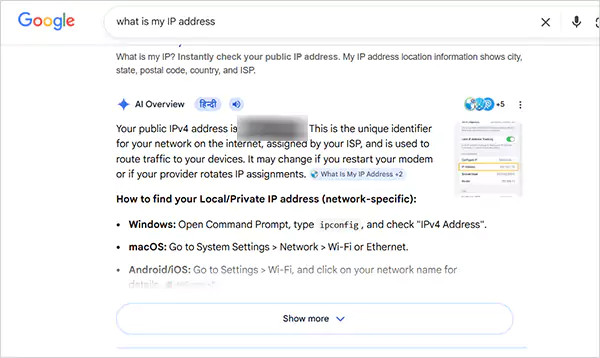
Step 2: Google will showcase your Public Identifier and Autonomous System Number (ASN).
For Private IP Address:
Step 1: Open Google Search and search for “What is my IP address”.
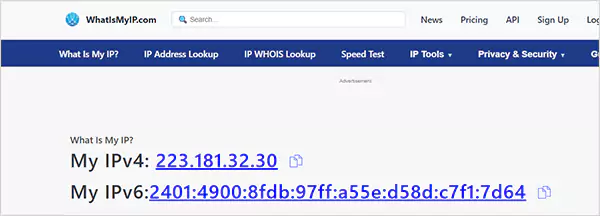
Step 2: Go to the ” What is my IP” website and check yourIPv4 and IPv6 addresses.
Wrapping Up
As the network and host identifier, along with the subnet mask and octets, are the primary elements of an IP address, it serves the purpose of providing a unique numerical code to your device while connecting to the internet.
This distinctive identifier is important for efficient communication between different systems on networks, while facilitating data exchange.
FAQs
What is an IP address?
How can I find my IP address?
You can easily check your IP address by searching for what is my IP on the Google search engine. Alternatively, you can simply enter “cmd” in the search bar on Windows and type “ipconfig”.
What are the 4 key types of IP addresses?
Public, private, dynamic, and static IP addresses are the 4 primary categories that are assigned to your devices through IPv4 or IPv6 protocols.
Latest Post
How to Create Secure PDF Links Without Leaks
Savan Sanghvi July 29, 2026
What is Computer Vision and How it Works?
Leah Schwiesow June 27, 2026
Related Post
How to Create Secure PDF Links Without Leaks
by Savan Sanghvi July 29, 2026

What is Computer Vision and How it Works?
by Leah Schwiesow June 27, 2026