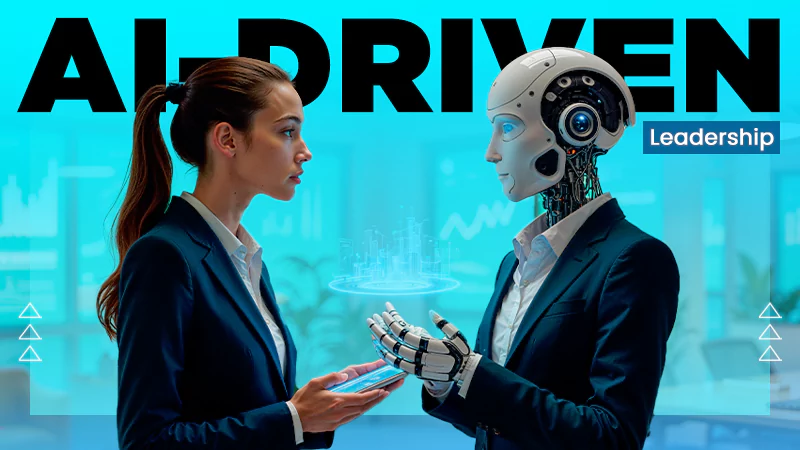
The five influential pillars of digital transformation are categorized by their attributes, like leadership strategy, data optimization, enhancing consumer experience, work culture organization, and deploying tech applications and utilities
What is Digital Transformation? Uses, Capabilities, and Impact
May 27, 2026
Paper-based bookkeeping, fax messages, and regular round table conferences are becoming things of the past due to the establishment of new applications. If your organization still relies on these methods, then it’s high time to learn what is digital transformation and implement new approaches in your workflows. This article by GetAnswerss will tell you how it works, along with many other critical points.
At a Glance
Digital transformation is a phenomenon that helps to reform all the legacy systems into a “next-generation sustainable work engine” to provide attributes like:
- Smart Decision Making
- Consumer Analysis
- Operational Flexibility
- System security
- Momentum Shifting
What is Digital Transformation? How Does It Work?
Digital transformation is the integration of new and emerging technologies within an organization to streamline workflows through automation, improve team coordination for optimal productivity, and enhance customer relationships.
This approach brings new opportunities for employees and helps to craft better sales strategies to connect with potential customers through the immersive capabilities of smart utilities like the metaverse and AI. In the next phase, we are going to deeply analyze them.
What are the Capabilities of Digital Transformation?
Digital transformation of business technology is not just a fancy thing that most do for the sake of fitting in the market; instead, these reforms create impactful changes in any business, from their capabilities, such as:
- Data-based decision-making that helps to study each element of the customer action to help build a better strategy for sales and after-sales procedures.
- Flexible operation model that unlocks the hybrid workflow of the organizations without breaking the queue of ongoing tasks
- It also performs consumer behavior analysis using parameters such as responses, abbreviations, and demand to consistently stay on the same page with users.
- Innovative transition also consistently checks upon security and credibility to prevent minor accidents that carry the potential to cause major damage.
- This approach also helps in the reliable market adaptability of the business according to the latest trends or the condition of the market.
Read more: What is ChatGPT? Uses and Examples
How Does Digital Transformation Affect Varied Domains?
Well, to address this concept with more clarity, we have composed a detailed document that explains how digital transformation has impacted each domain with its valuable attributes:
| Sectors | Major Impact |
| IT | Due to digital transformation, the IT sectors have now shifted their operational servers and databases into cloud resources to unlock remote adaptability for the workforce and consumers. Also, AI-integrated technologies are helping them to foster better decisions and marketing blueprints. |
| Healthcare | Now, patients and doctors can connect with each other at any point, with all the necessary documents stored in their online IDs. This has become possible due to new-gen web portals and applications. |
| Education | Students can learn anything from anywhere due to online accessibility and software that smoothens their learning arc. These online tools also help them to maintain their academic catalog and daily routine. |
| Finance | Tech applications like AI agents help to automate the entry of big data regularly, regulate security protocols in the payment gateways, detect vulnerabilities, and provide real-time assistance to consumers during errors. |
| CX (Consumer Experience) | Through data-driven insights of various technologies, CX representatives can provide valuable assistance by giving personalized support to every user query. Also, companies can run 24/7 portals through automation that can solve some general errors. |
Read more: What is IP Address? Meaning, Key Components, and Types
Conclusion
This is how digital transformation looks from within, and learning what is digital transformation today is one of the most crucial things for surviving in today’s competitive ecosystem.
Implementing the latest firmware in your organization enables a new spectrum of automation among various teams that positively impacts team coordination and productivity. So why delay the decision to achieve core automation? Try to become technically resilient in 2026 and keep coming back here for more such insightful blogs.
FAQs
What are the 5 pillars of digital transformation?
Why do 70% of digital transformations fail?
The main reason for these massive failures is the improper execution of the software program, lack of skill enhancement, and training modules. Another thing is that some people implement strategies that don’t fit with their business algorithm.
What are the 4 P’s of digital transformation?
The 4 crucial P’s of digital transformation include concepts like platforms, people, process, and proficiency.
Latest Post
10 Best Remote Employee Monitoring Tools in 2026
Savan Sanghvi September 28, 2026
How to Create Secure PDF Links Without Leaks
Savan Sanghvi July 29, 2026
What is Computer Vision and How it Works?
Leah Schwiesow June 27, 2026
Related Post

10 Best Remote Employee Monitoring Tools in 2026
by Savan Sanghvi September 28, 2026
How to Create Secure PDF Links Without Leaks
by Savan Sanghvi July 29, 2026

What is Computer Vision and How it Works?
by Leah Schwiesow June 27, 2026