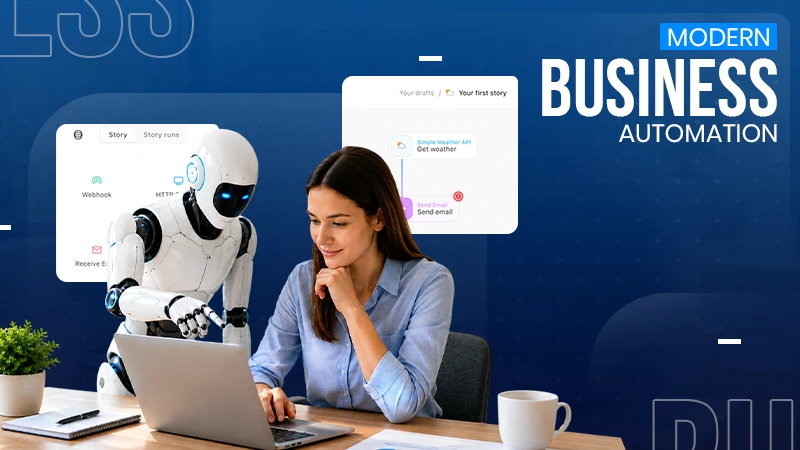
According to various industry expert evaluations, UiPath, Automation Anywhere, and Microsoft Power Automate are the top 3 robotic process automation software programs.
Robotic Process Automation: How RPA Works, Tools and Benefits
June 3, 2026
Relying on human efforts for mediocre tasks is not the thing done by global giants nowadays; they are taking a further leap in self-sustained utilities, which are majorly empowered by robotic process automation (RPA). But what exactly is it and how does it work? Well, to learn about RPA tools, automation, and examples, read this article by GetAnswerss til the end!
What is Robotic Process Automation (RPA)?
Robotic Process Automation (RPA) is used for doing mundane human tasks like data entry, mailing, transcribing, etc., that take a lot of time and effort, using intelligent automated approaches and utilities.
If you look at the McKinsey Report of 2018 on Robotic Process Automation, it was mentioned that55% of organisations have successfully implemented RPA programs and are aiming for a very high return on investment in their upcoming financial years.
Enterprises are looking towards RPA tools integration so they can use applications for their complex tasks and assist the workforce so that they can prevent themselves from vulnerabilities and better optimise.
What are Some Essential Tools Used in Robotic Process Automation?
To achieve the best use case of robotic process automation in your organization, you need to blend some essential tools in the architecture that unlock so many qualities in your robots and make them more reliable for automation procedures. Some of the finest tools of RPA are:
- UiPath: UiPath is a self-sustained software model that can be integrated into RPA utilities that can help to reduce the effort of entering manual settings and feeding characteristics, as it provides a drag-and-drop, cloud-based interface so that technicians can work from anywhere.
- Automation 360: Anytime and Anywhere (Automation 360) helps to curate UI based chat bot analytics, which helps to track all the necessary data about the operational machines and detect vulnerabilities that are left unseen in manual checks.
- Microsoft Power Automate: Powered by Microsoft, this platform allows the creation of a bridge between different teams for interaction and implementation of commands on the machinery, allowing an upliftment in collaborative approaches.
- WorkFusion: WorkFusion specializes in processing multiple bot functionalities through LLM engines, like managing large data records, in-depth analysis, and complex calculations, which allows businesses to maintain on-track progression.
- SS&C Blue Prism: SS&C Blue Prism is a popular RPA tool that works to create built-in robots that can streamline all the mundane tasks using AI engines and improve the efficiency of enterprises through significant methods of digital transformation.
Read more: AI in Social Media: Uses, Tools, and Effects
Why is RPA so famous?
Well, there are a couple of reasons for the popularity of RPA, as so many enterprises have grown their profit margin through its systematic automations and fast production, but it’s just the tip of the iceberg; the major reasons are more interesting, like:
- RPA saves a lot of time by doing mundane tasks rapidly and minimizes the labor pressure for meeting deadlines.
- Software-programmed robots follow precise rules and decode values perfectly, which leaves no room for mistakes and vulnerabilities.
- Automated workflows create clear, tamper-proof audit trails, ensuring consistent adherence to regulatory and data security standards.
- RPA bots interact with the user interfaces of your existing software just like a human would.
What are Some Major Differences Between RPA and AI?
AI and RPA are two different processes, but due to tech evolution, they blend with each other very well. But still, there are some differences that make them varied. Read this chart below for a better explanation.
| Robotic Process Automation | Artificial Intelligence |
| Robotic process automation is only designed for mimicking human tasks or assisting them to improve their productivity. | Artificial intelligence is designed to make decisions on its own and present a solution by finding credible resources and presenting them with human attributes. |
| RPA robots conduct operations under embedded rules and characteristics that allow precision and speed in the workflow. | While AI engines like ChatGPT are more inclined towards self-learning, they operate on their own decision-making and tend to replace human work. |
| RPA is often very costly in infrastructure and maintenance as it does repetitive tasks and becomes more prone to breakdowns. | AI bots are easy to maintain, as they can automate their workflows and detect minor errors to avoid potential failures. |
| A factory outlet, a commercial supermarket, and more places like them can get robust benefits from the RPA utilities. | Meanwhile, AI gives advantages to various domains like factory machine assistance, self-sustained scanners, and AI-based inventory managers that automate a lot of work. |
Conclusion
RPA was previously an effective and past pacing methodology for upgrading production and working area, but after the emergence of AI, it can now create and execute personalised solutions and strategic which are domain-specific and sustainable. Also, robotic process automation is aligning with ML engines to understand and propagate data more frequently to minimize errors and complexities for humans.
Read more: 5 Best AI Future Jobs: Impact, Opportunities, and Relevance
FAQs
What are the top 3 RPA software programs?
What are the 4 stages of process automation?
The five crucial pillars of DevOps are Culture, Automation, Lean, Measurement, and Sharing, as they are also popularly known as the CALMS framework, and are useful for setting up a strong foundation.
Will AI replace RPA?
Most likely, AI won’t replace Robotic Process Automation (RPA), as these two technologies are set to become a combined automation utility. AI’s hive mind can blend with the mechanical capabilities to craft next-gen resources.
Sources:
Latest Post
How to Create Secure PDF Links Without Leaks
Savan Sanghvi July 29, 2026
What is Computer Vision and How it Works?
Leah Schwiesow June 27, 2026
Related Post
How to Create Secure PDF Links Without Leaks
by Savan Sanghvi July 29, 2026

What is Computer Vision and How it Works?
by Leah Schwiesow June 27, 2026